Angola Versus Rwanda: Two Flags, Two Stories
Flags are more than pieces of fabric. They carry a nation's history, struggles, and aspirations. When you look at the flags of Angola and Rwanda side by side, you see two very different visual languages. One is bold and revolutionary. The other is calm and forward-looking. Both tell powerful stories about their countries. Understanding what these symbols mean offers a window into the heart of each nation.
What Makes the Flag of Angola Distinct
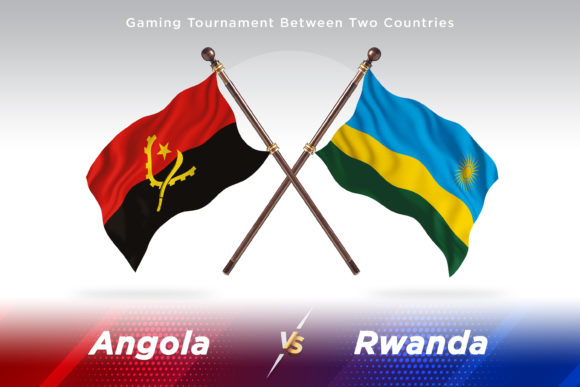
The flag of Angola is hard to miss. It features two horizontal bands of red and black, with a golden emblem at the center. The emblem includes a gear wheel, a machete, and a star. This design draws heavily from the country's history of struggle and its industrial ambitions.
The red represents the blood spilled during Angola's fight for independence. The black stands for the African continent and the people of Angola. The gear wheel symbolizes industry and workers. The machete recalls the agricultural roots and the armed struggle for freedom. The star represents international solidarity and progress.
This flag was adopted in 1975 when Angola gained independence from Portugal. It reflects the revolutionary spirit of that era. The imagery is direct and unapologetic. It speaks to a people who fought hard for their sovereignty and remain proud of that journey.
The Flag of Rwanda: A Story of Rebirth
Rwanda's flag tells a completely different story. Adopted in 2001, it is one of the newer national flags in Africa. It consists of three horizontal stripes of blue, yellow, and green, with a golden sun in the upper right corner. The colors are intentional and meaningful.
Blue stands for happiness and peace. Yellow represents economic development and the nation's natural resources. Green symbolizes the hope of prosperity and the country's lush agriculture. The sun represents enlightenment and the dawn of a new era.
The flag was changed after the 1994 genocide. The previous flag had associations with division and violence. The new design was created to unify the country and signal a fresh start. It is clean, optimistic, and modern. There are no weapons, no revolutionary symbols. Just light and color.
How the Two Flags Compare
When you put Angola versus Rwanda two flags side by side, the differences are striking. Angola's flag is grounded in struggle and labor. Rwanda's flag reaches toward peace and growth. One looks backward to honor the fight. The other looks forward to build something new.
Both flags use color symbolically, but they choose different palettes. Angola uses high contrast red and black with gold accents. Rwanda uses softer blue, yellow, and green with a radiant sun. There is no overlap in color choice or arrangement. Each flag stands completely on its own.
The emblem in Angola's flag is complex and narrative. Rwanda's flag has no emblem at all, just the sun. This minimalist approach makes the Rwandan flag instantly recognizable and easy to reproduce. It also reflects a deliberate break from the past.
Why Someone Might Be Interested in These Flags
There are several reasons why adults across different fields may find value in understanding Angola versus Rwanda two flags.
For educators and students, these flags are excellent case studies in how national identity is expressed. They show how history shapes visual symbols and how countries choose to remember or reinvent themselves.
For designers and creatives, the flags offer contrasting approaches to color theory and symbolism. Angola's flag demonstrates how to pack meaning into a small space. Rwanda's flag shows the power of simplicity and restraint.
For travelers and cultural enthusiasts, knowing the flags helps deepen your connection to these countries. You understand more about what locals value and how they see themselves.
For business owners and marketers, especially those working in African markets or with international audiences, flag literacy shows cultural awareness. It helps avoid missteps and demonstrates respect.
For entrepreneurs and freelancers working in global contexts, flags are practical shorthand. Knowing the difference between these two flags can prevent embarrassing mistakes in presentations, documents, or product designs.
Where You Might Encounter These Flags
You will see Angola's flag at international sporting events, diplomatic meetings, and cultural festivals. It flies at embassies and United Nations headquarters. It is also common in diaspora communities around the world.
Rwanda's flag appears in similar settings, but you will also notice it prominently in tourism campaigns. Rwanda has invested heavily in branding itself as a destination for business and travel. The flag is part of that modern identity.
Both flags appear on stamps, currency, and official documents. They are used in educational materials about Africa. They show up in comparison charts, geography quizzes, and flag identification apps.
If you work in digital content, you might use these flags in infographics, blog posts, or social media content about African nations. If you teach, you might include them in lessons about symbolism or postcolonial identity.
Practical Considerations When Learning About These Flags
If you are studying Angola versus Rwanda two flags for a project or personal interest, here are a few things to keep in mind.
Context matters. Always understand the history behind the symbols. The machete in Angola's flag is not a random design choice. It represents a specific struggle. Similarly, Rwanda's flag was redesigned to heal a nation. Reading about the historical background makes the flags more meaningful.
Respect the symbols. Flags are important to national identity. Treat them with care in your content, presentations, or products. Avoid altering them in ways that could be seen as disrespectful.
Check for updates. National flags rarely change, but it does happen. Rwanda's flag was updated in 2001, which is relatively recent. Stay informed about any official changes.
Use accurate colors. If you are reproducing these flags digitally or in print, use the correct color values. The shades of red, black, gold, blue, yellow, and green are specified by each government. Getting the colors wrong can make your work look unprofessional.
Look beyond the flag. A flag is a starting point, not the whole story. Use it as a gateway to learn more about Angola and Rwanda. Their languages, cuisines, music, and landscapes are just as fascinating.
Practical Use Cases for Different Audiences
A teacher preparing a geography unit might use these two flags to contrast different approaches to nation building. Students can analyze the symbols and discuss what each country values.
A graphic designer working on a project about African branding might study Rwanda's flag as an example of modern flag design and Angola's flag as an example of traditional revolutionary symbolism.
A travel blogger writing about African destinations might include flag descriptions to help readers feel more connected to the places being featured.
A small business owner importing goods from either country might display the flags in their office or marketing materials to show cultural appreciation and build trust with international partners.
A content creator making educational videos could use the flags as visual hooks to introduce broader topics about African history and identity.
What Each Flag Reveals About Its Country
The flag of Angola is honest about its past. It does not hide the struggle. It wears it proudly. This resonates with people who value resilience, hard work, and the fight for justice. It speaks to a nation that has endured a great deal and remains strong.
The flag of Rwanda is aspirational. It focuses on what the country wants to become. It speaks to healing, growth, and unity. This resonates with people who believe in second chances and the possibility of change.
Neither approach is better. They simply reflect different journeys. Angola and Rwanda have had very different histories. Their flags reflect those realities.
Final Thoughts on Angola Versus Rwanda Two Flags
Comparing Angola versus Rwanda two flags is not about deciding which one looks better. It is about understanding the stories behind them. Flags are mirrors. They reflect a nation's identity, its wounds, and its dreams. Angola's flag mirrors a history of struggle and pride. Rwanda's flag mirrors a commitment to peace and renewal.
For anyone interested in Africa, design, history, or international relations, these two flags offer a compact lesson in how visual identity works. They show that a well-designed flag can communicate complex ideas in an instant. They also remind us that every nation has a story worth knowing.
Whether you are a student, a professional, a creator, or simply someone curious about the world, taking the time to understand these flags enriches your perspective. It connects you to places and people in a meaningful way. And it gives you a deeper appreciation for the small symbols that carry so much weight.