Argentina Versus Egypt: Two Flags, Two Stories of Identity and Symbolism
Flags are far more than pieces of fabric waving in the wind. They are compact visual statements of a nation's history, values, and aspirations. When we place Argentina versus Egypt side by side, we see two flags that at first glance appear very different—one dominated by soft sky blue and white, the other by bold red, white, and black. Yet both carry deep layers of meaning that speak to revolution, independence, cultural heritage, and national pride. Understanding these two flags helps us grasp not just design choices but the very soul of each country.
This article explores the origins, symbolism, and modern relevance of the Argentine and Egyptian flags. Whether you are a traveler, a student of history, or simply curious about world cultures, you will come away with a clearer understanding of what these emblems represent and why they matter.
The Flag of Argentina: Sky Blue, White, and the Sun of May
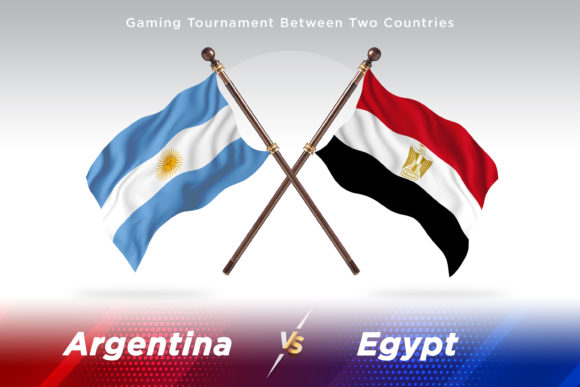
The Argentine flag is one of the most recognizable in the Americas. Its three horizontal bands of light blue and white are simple yet elegant, and at its center—on the official state flag—sits the golden Sun of May. To understand this flag, we must travel back to the early 19th century and the fight for independence from Spain.
Origins and Historical Context
The flag was created by Manuel Belgrano, a lawyer, economist, and military leader who is one of Argentina's greatest national heroes. Belgrano designed the flag in 1812 during the Argentine War of Independence. He was inspired by the colors of the Order of the Sun, a symbol used by indigenous Andean peoples, and also by the blue and white cockades that Argentine patriots wore to distinguish themselves from Spanish loyalists.
The first raising of the flag took place on February 27, 1812, in the city of Rosario along the Paraná River. This date is now celebrated annually as Flag Day in Argentina. The Sun of May, a golden sun with a human face and sixteen straight and sixteen wavy rays, was added later in 1818. It references the sun that appeared through the clouds on May 25, 1810, during the first public demonstration for independence in Buenos Aires—a moment considered the birth of the Argentine nation.
Symbolism of the Colors and the Sun
The light blue and white stripes have been interpreted in several ways. The most common explanation is that they represent the sky and clouds, suggesting openness, clarity, and the heavens. Another interpretation ties the colors to the Virgin of Luján, the patron saint of Argentina, who is often depicted wearing a blue and white mantle. A third explanation points to the influence of the Bourbon dynasty of Spain, whose colors were also light blue and white, representing a link to European heritage while asserting a new identity.
The Sun of May is a powerful emblem of freedom and birth. Its sixteen straight rays represent the sixteen provinces that existed at the time of independence, and its sixteen wavy rays symbolize the future growth of the nation. The human face on the sun is said to be that of Inti, the Inca sun god, reflecting Argentina's indigenous roots. Together, the elements create a flag that is both peaceful and revolutionary—a reminder that independence was won, but also a vision of a bright future.
The Flag of Egypt: Red, White, Black, and the Eagle of Saladin
Egypt's flag is equally rich in meaning, though its story is rooted in the 20th century and the struggle against colonial rule. The current flag was adopted on October 4, 1984, but its design draws on symbols that have defined modern Egyptian identity for decades. The flag consists of three horizontal stripes of red, white, and black, with the Eagle of Saladin in gold at the center of the white band.
A Flag Born from Revolution
Egypt's tricolor flag emerged from the Egyptian Revolution of 1952, which ended the monarchy and established a republic. The colors themselves were not new; they had been used by the Arab Liberation Flag that represented pan-Arab aspirations. The specific order of red, white, and black was inspired by the flag of the 1952 revolution, which sought to unify Arab nations under common ideals of freedom, dignity, and self-determination.
Before 1952, Egypt had used a green flag with a white crescent and three stars, representing the Ottoman heritage and the country's Islamic identity. The shift to the red-white-black tricolor marked a decisive break with the past and a turn toward modern Arab nationalism under leaders like Gamal Abdel Nasser. The eagle emblem was later added in 1958 when Egypt and Syria formed the short-lived United Arab Republic, and it has remained part of the flag ever since.
The Meaning Behind the Colors and the Eagle
Each color on the Egyptian flag carries a distinct meaning:
- Red symbolizes the blood shed by Egyptians in their struggle for independence and liberation from British occupation and monarchical rule. It is a color of sacrifice and courage.
- White represents peace, purity, and a future without oppression. It also recalls the peaceful nature of the Egyptian people and their hopes for harmony.
- Black stands for the dark era of colonial occupation and tyranny that Egyptians overcame. It is a reminder of past suffering and a commitment to never return to it.
The Eagle of Saladin is a symbol of strength, dignity, and Arab heritage. Named after the legendary Muslim leader who recaptured Jerusalem in the 12th century, the eagle faces right (toward the viewer's left) and holds a scroll bearing the Arabic name of the country: Jumhuriyat Misr al-Arabiya (Arab Republic of Egypt). The eagle's chest is adorned with a shield that echoes the colors of the flag. It represents sovereignty, resilience, and Egypt's leadership within the Arab world.
Unlike the peaceful, celestial imagery of Argentina's flag, Egypt's flag is grounded in struggle and triumph. It is a flag that tells a story of overcoming adversity through unity and sacrifice.
Argentina vs Egypt: A Side-by-Side Comparison of Flag Design
When we compare Argentina versus Egypt directly, the differences are striking—but so are the underlying similarities. Both flags use three horizontal bands, a classic layout that suggests stability and balance. Both also feature a central emblem that elevates the design from simple stripes to a richly symbolic statement.
Color Palettes and Visual Impact
Argentina's flag uses pastel tones—light blue and white—which create a soft, serene, and open feeling. This palette is uncommon among world flags and gives Argentina a unique visual identity. The gold of the Sun of May adds a warm accent. Egypt's flag, by contrast, uses primary and strong colors: deep red, bright white, and solid black. This combination is bold, dramatic, and instantly noticeable. The gold eagle adds a touch of imperial elegance.
Both flags are designed to be easily recognizable from a distance, but they achieve this in different ways. Argentina's flag relies on the unusual light blue hue to stand out, while Egypt's flag uses high contrast and a memorable emblem.
Emblems and Their Cultural Weight
The Sun of May and the Eagle of Saladin are both ancient symbols that connect their nations to deep historical roots. The sun references pre-Columbian Andean civilizations and the dawn of independence. The eagle references Islamic and Arab heritage, specifically a leader known for chivalry and political unity. Neither emblem is static; both are active figures—the sun shines, the eagle watches—suggesting vigilance and life.
It is also interesting to note that both emblems are golden, a color associated with wealth, power, and the divine. Gold appears on relatively few national flags, so its presence on both flags ties them to a tradition of using precious metals to elevate national identity.
What These Flags Reveal About National Identity
Beyond design, the flags of Argentina and Egypt reveal how each nation sees itself and how it wishes to be seen by the world.
The Argentine flag evokes optimism, openness, and a connection to nature and the divine. It speaks of a country that emerged from colonial rule with a vision of harmony and progress. The light blue and white suggest a kind of innocence and idealism, while the sun adds energy and promise. The flag is often flown with pride during national holidays and football matches, reflecting a people who are passionate and hopeful.
The Egyptian flag evokes defiance, pride, and a deep sense of historical consciousness. It reminds citizens of the sacrifices made for freedom and the importance of unity. The black stripe is a constant reminder of what was overcome, and the eagle is a symbol of strength and vigilance. This flag is especially powerful during times of national challenge or celebration, serving as a rallying point for collective identity.
Both flags therefore serve as emotional anchors. They are not just official symbols but living parts of each country's daily life—on government buildings, in schools, at sporting events, and in the hearts of citizens abroad.
Common Misunderstandings About Both Flags
Despite their clarity, both flags are sometimes misunderstood. Let us clear up a few common points.
A frequent assumption about the Argentine flag is that the light blue and white represent the colors of the River Plate or the Atlantic Ocean. While this is a poetic idea, historians agree that the colors date back to the cockades of 1810 and the Order of the Sun. The sky interpretation is the most widely accepted, but it is worth knowing that Belgrano himself described the colors as "sky blue and white" without specifying a single meaning.
Regarding the Egyptian flag, some assume the eagle is the same as the one on the flag of Syria or Iraq. While all three flags have used similar designs under the umbrella of Arab nationalism, the Egyptian Eagle of Saladin is distinct in its details, particularly the shield and the scroll. Another misconception is that the black stripe represents mourning or death; in fact, it represents the end of colonialism and the dawn of self-rule—a positive, forward-looking meaning.
One more subtle point: many people think the Argentine flag always includes the Sun of May. In fact, Argentina has two official flags—the state flag (with the sun) used by government entities, and the civil flag (without the sun) that can be used by private citizens. The sunless version is less common but equally valid.
Practical Relevance: Flags in Modern Life
Flags continue to matter in today's interconnected world. For travelers, knowing the symbolism behind a country's flag can deepen respect and understanding. For businesses engaged in international trade, using the correct flag shows professionalism and cultural awareness. In education, flags are gateway symbols that spark curiosity about history, geography, and politics.
Both the Argentine and Egyptian flags appear frequently in global contexts—at the United Nations, during the Olympics, at the World Cup, and in diaspora communities. The Argentine flag is especially visible during football events, where fans wave it with fierce pride. The Egyptian flag appears prominently in cultural festivals and political rallies, and its eagle is a beloved emblem on merchandise and souvenirs.
For designers and artists, both flags offer lessons in effective symbolism. Argentina shows how a restrained palette and a single iconic element can create strong recognition. Egypt shows how contrast and historical weight can lend authority and emotion to a design. Both are studied in vexillology—the academic study of flags—as examples of flags that balance simplicity with depth.
Conclusion: More Than Just Colors
When we compare Argentina versus Egypt through their flags, we are really comparing two worldviews. Argentina's flag invites us to look up at the sky and dream of what is possible. Egypt's flag asks us to remember the price of freedom and to stand strong in the face of challenge. Both are beautiful, both are meaningful, and both tell stories that deserve to be understood.
The next time you see the sky blue stripes of Argentina or the bold tricolor of Egypt, you will know that you are looking at far more than fabric. You are looking at centuries of hope, struggle, identity, and pride—woven into symbols that continue to inspire millions of people every day.
Whether you are a traveler planning a trip to Buenos Aires or Cairo, a student writing a report, or simply someone who loves learning about the world, understanding these flags enriches your perspective. And that is the real power of flags—they connect us to stories bigger than ourselves.