Angola vs. Russia: A Tale of Two Flags and the Stories They Tell
Flags are far more than pieces of colored fabric. They are compact visual essays, condensing centuries of history, struggle, and national identity into a single image. When you place the flag of Angola next to the flag of Russia, the differences are striking—yet both emblems speak to the power of revolution, the weight of ideology, and a nation’s vision for its future. For general readers seeking to understand these two nations more clearly, comparing their flags offers a surprisingly rich entry point into their political journeys, cultural values, and modern identities.
This article explores the design, history, and symbolism of both flags, explaining what each element means and how these national symbols fit into the broader story of each country. By the end, you will not only recognize both flags but also understand the deeper narratives they represent.
The Flag of Angola: A Symbol of Struggle and Progress
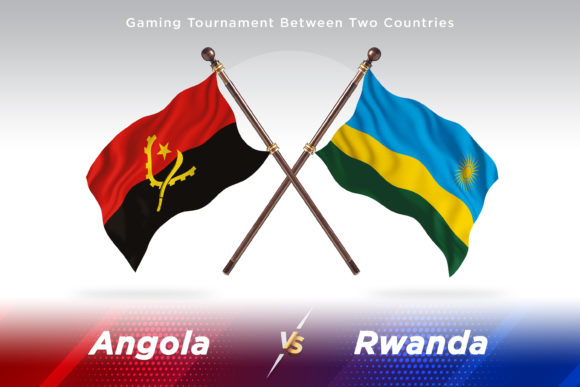
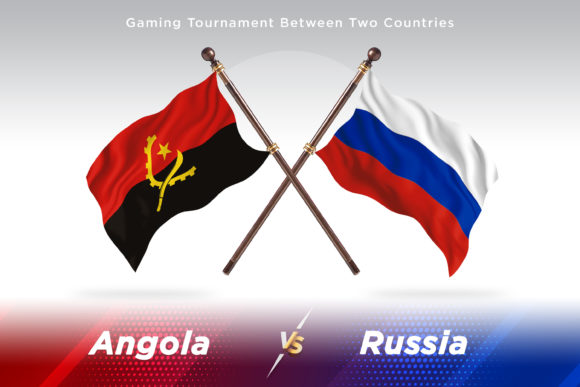
Angola’s flag was officially adopted on November 11, 1975, the day the country gained independence from Portuguese colonial rule. It is a powerful emblem of the nation’s long fight for freedom and its socialist roots. The flag consists of two horizontal bands: a red upper half and a black lower half, with a central emblem featuring a yellow gear wheel, a machete, and a star.
Design and Colors
The flag’s design is immediately recognizable. The red top half represents the blood shed by Angolans during their struggle for independence and in defense of the nation. The black bottom half symbolizes the African continent and the people of Angola. At the center, the yellow emblem stands out against the dark background. The gear wheel represents industrial workers and the nation’s commitment to industrialization. The machete symbolizes agricultural workers and the armed struggle for liberation. The five-pointed star stands for international solidarity and progress, echoing the socialist ideals that shaped Angola’s early independence.
Historical Context
Understanding Angola’s flag requires knowing its revolutionary birth. The flag was designed by the Popular Movement for the Liberation of Angola (MPLA), the political party that led the independence movement and later became the ruling party. At independence, Angola was deeply influenced by Marxist-Leninist ideology, and the flag reflects that heritage. The machete and gear wheel directly recall the hammer and sickle from the Soviet Union’s flag, a deliberate nod to the socialist allies who supported Angola’s liberation. However, after the civil war that followed independence, Angola has evolved into a multiparty democracy, though the flag remains unchanged—a lasting reminder of the country’s founding struggle.
Symbolism in Detail
Each element of Angola’s flag carries layered meaning:
- Red: Not only the blood of martyrs but also the spirit of resistance and patriotism.
- Black: Pride in African heritage and the continent’s resilience.
- Gear wheel and machete: A dual tribute to both urban industrial labor and rural agricultural life—two pillars of Angola’s economy.
- Yellow star: A symbol of hope and the guiding light toward a prosperous future, closely tied to the socialist vision of collective progress.
This flag is not merely decorative; it is a daily reminder of the price of freedom and the work still needed to build the nation.
The Flag of Russia: Tradition, Unity, and Change
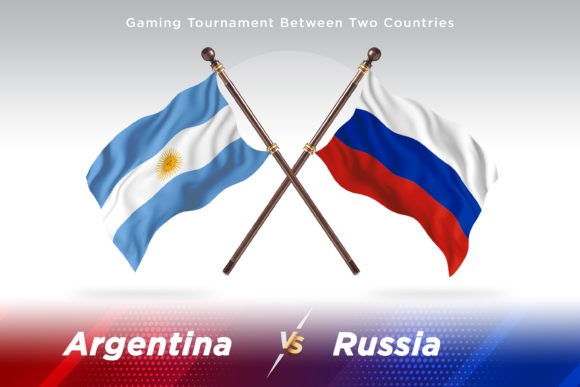
Russia’s flag, often called the tricolor, consists of three equal horizontal bands of white, blue, and red. It has a much longer and more complex history than Angola’s flag, dating back to the late 17th century. It was readopted on August 22, 1991, following the collapse of the Soviet Union.
The Tricolor Design
The Russian flag is simple in appearance but profound in meaning. The top band is white, the middle band is blue, and the bottom band is red. This sequence has been used in various forms since the time of Peter the Great, who modeled the design after the Dutch tricolor. Over the centuries, the flag has been a symbol of the Russian Empire, a brief period of provisional government in 1917, and ultimately the new Russian Federation that emerged from the Soviet Union’s dissolution.
Historical Evolution
Russia’s flag history is a story of political transformation. During the Soviet era (1922–1991), the red flag with a hammer and sickle replaced the tricolor. The tricolor was banned as it was associated with the imperial past. But in 1991, as the Soviet Union crumbled, the tricolor was restored as a symbol of a new Russia—one seeking to reconnect with its pre-Soviet heritage while embracing democratic reforms. This makes the Russian flag a complex symbol: it represents both continuity with the imperial era and the break from communism.
Meaning of the Colors
The exact meaning of the colors has evolved, but the most widely accepted interpretations are:
- White: Generosity, peace, and the vast snowy landscapes of Russia. It also represents the nobility and the divine right of the tsar in older interpretations.
- Blue: Faith, loyalty, and the country’s many rivers and lakes. It is also associated with the Virgin Mary in Orthodox Christian tradition.
- Red: Courage, love, and the blood of those who defended the nation. In the imperial era, it symbolized the common people.
Another popular interpretation ties the colors to the three parts of the Russian people: White Russia (Belarus), Little Russia (Ukraine), and Great Russia (Russia itself). While this reading is less official, it reflects the deep historical ties among these East Slavic nations.
Comparing Angola and Russia Through Their Flags
At first glance, Angola’s flag and Russia’s flag seem to belong to different worlds. One is bold and symbolic with a central emblem, while the other is a clean tricolor. But a closer look reveals fascinating parallels and contrasts.
Shared Revolutionary Spirit
Both flags are directly tied to revolutionary beginnings. Angola’s flag was born from an anti-colonial war in the 1970s. Russia’s tricolor, in its modern form, was revived after the fall of communism. However, while Angola’s flag celebrates a socialist revolution, Russia’s flag marks a departure from socialism. Angola’s emblem retains the hammer-and-sickle-style imagery, while Russia’s tricolor deliberately avoids such references, emphasizing a return to national traditions instead.
Divergent Paths in Symbolism
The use of color also highlights different priorities:
- Angola uses red and black to emphasize sacrifice and African identity, with yellow adding a socialist future-oriented element.
- Russia uses white, blue, and red to convey peace, faith, and courage, with no overt political ideology—a more universal set of values.
Another key contrast is the presence of a central emblem. Angola’s flag includes a complex coat-of-arms-like symbol, common among nations with a strong revolutionary founding ideology. Russia’s flag is pure color, which relies on the viewer’s cultural knowledge to supply meaning. This makes the Russian flag more abstract but also more flexible—it can represent different things to different people.
Practical Relevance Today
Both flags appear daily in international diplomacy, sports, and cultural exchanges. When you see the Angolan flag at the United Nations or the Russian flag at an Olympic event, you are witnessing symbols that carry deep historical weight. For travelers, businesspeople, or students of global affairs, understanding these flags offers a shortcut to grasping each nation’s political psychology.
For example, the Angolan flag’s continued use of socialist imagery can be puzzling to those who think Angola is now a market economy. It reflects a national decision to honor the liberation struggle even as the country’s economy diversifies. Similarly, the Russian flag’s re-adoption after 1991 signals a deliberate break from Soviet symbolism, but its interpretation varies among Russians: some see it as a return to greatness, others as a reminder of imperial ambitions.
Why Flags Matter: Understanding National Identity
Flags are not just government logos. They are emotional anchors for citizens and powerful tools for education. Comparing the flags of Angola and Russia helps us see how nations tell their own stories. Angola’s flag says, “We fought for freedom, and we honor that fight.” Russia’s flag says, “We are an ancient people with a renewed future.”
For educators, journalists, and curious readers, flags are accessible ways to start conversations about history, politics, and culture. When you learn why the Angolan flag has a machete or why the Russian flag has three colors, you are learning about colonialism, revolution, and the search for identity. These are not academic trivia—they shape how countries behave on the world stage.
Common misunderstandings also deserve clarification. Some assume that Angola’s flag is a copy of the Soviet flag, but it is actually a distinct African adaptation of socialist symbolism. Others think the Russian flag was banned after the revolution, but it was simply replaced—and later revived. Knowing these details helps readers avoid oversimplified narratives.
Conclusion: Two Flags, One World of Meaning
The flags of Angola and Russia are far more than national markers. They are visual histories that capture decades of change, hope, and resilience. Angola’s red, black, and yellow emblem speaks to the struggle for independence and the dream of industrial and agricultural progress. Russia’s white, blue, and red tricolor embodies continuity, faith, and the nation’s long journey through empire, communism, and democracy.
By understanding these symbols, we gain insight into the values that drive these two countries today. Whether you are a student preparing for a geography exam, a professional engaging with international partners, or simply a curious reader, the next time you see these flags flying side by side, you will recognize not just two designs but two stories—each rich with meaning, each worth knowing. And that is the true power of a flag: it invites us to look closer, ask questions, and understand the world more clearly.