Angola Versus Ecuador Flags: Design, Symbolism, and National Identity Compared
Flags are far more than decorative cloth. They are condensed narratives of a nation's history, values, and aspirations. When you place the flag of Angola next to the flag of Ecuador, the contrast is immediate and striking. One is bold and industrial, the other layered and emblematic. Yet both carry deep stories that resonate far beyond their borders. Understanding what these flags represent offers more than trivia—it reveals how nations choose to present themselves to the world and to their own people.
Whether you are a traveler, a graphic designer, an educator, or simply someone curious about global symbols, comparing the flags of Angola and Ecuador opens a window into two distinct cultural and political landscapes. This article explores the design choices, historical roots, and modern relevance of both flags, and considers what they tell us about national identity in an increasingly interconnected world.
Two Flags, Two Continents, One Purpose
Angola sits on the southwestern coast of Africa, while Ecuador straddles the equator in South America. Their flags share no common heritage, yet both serve the same fundamental purpose: to unite people under a shared identity and to communicate that identity to others. The way each country achieves this, however, reflects very different journeys.
The Angolan flag was adopted at independence in 1975, emerging from a long liberation struggle against Portuguese colonial rule. Its design is stark and modern, drawing heavily from Marxist symbolism that was influential among the independence movements of the era. The Ecuadorian flag, by contrast, traces its lineage to the revolutionary flags of Gran Colombia in the early nineteenth century. Its current design was formalized in 1860, and its coat of arms was added later to distinguish it from other flags in the region.
This difference in origin explains much about the visual language each flag uses. Angola opts for a minimalist, almost industrial aesthetic. Ecuador embraces a more classical heraldic tradition, rich with detail and allegory.
Deconstructing the Angolan Flag
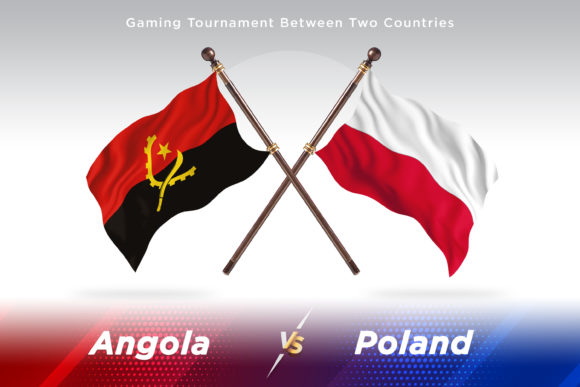
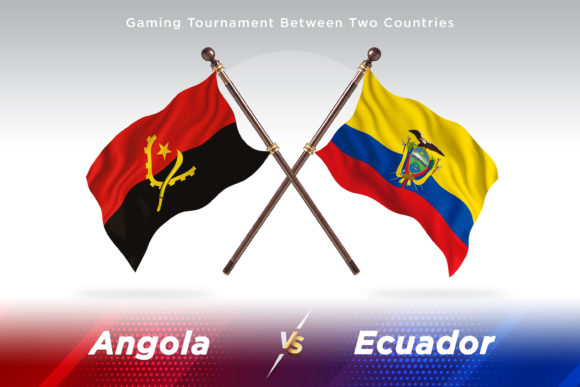
The Angolan flag is divided horizontally into two bands: red above and black below. At the center sits a yellow emblem composed of a star, a cogwheel, and a machete. There is no coat of arms, no intricate border, no additional color. Every element is deliberate and carries specific weight.
- Red represents the blood shed by Angolans during their struggle for independence and the ongoing fight for freedom.
- Black symbolizes the African continent and the people of Angola.
- The yellow star stands for international solidarity and progress.
- The cogwheel represents industry and the workers who built the nation.
- The machete symbolizes the peasantry, agriculture, and the armed struggle that secured independence.
The design is intentionally direct. It communicates revolution, labor, and unity. There is no ambiguity in its message. For a nation emerging from colonial rule, this clarity was essential. The flag was meant to rally people around a common cause and to project strength and purpose on the global stage.
Deconstructing the Ecuadorian Flag
The Ecuadorian flag consists of three horizontal stripes: yellow at the top (double the width of the others), blue in the middle, and red at the bottom. In the center, the national coat of arms occupies a prominent position. The flag is rich with layered symbolism that reflects Ecuador's geography, history, and aspirations.
- Yellow symbolizes the abundance of the land, particularly the gold and agricultural wealth of the country.
- Blue represents the sky, the sea, and the rivers that define Ecuador's geography.
- Red honors the blood of the patriots who fought for independence from Spain.
- The coat of arms includes the Chimborazo mountain, a river, a steamship, a sun, and symbols of agriculture and commerce. The condor atop the shield represents power and vigilance.
Where the Angolan flag is austere, the Ecuadorian flag is ornate. It tells a story of natural wealth, geographic diversity, and the struggle for self-determination. The coat of arms in particular is a miniature portrait of the nation, full of references to specific places and ideals.
Why Flags Matter in Modern Contexts
At first glance, comparing two flags might seem like a niche exercise. But in a world where visual communication dominates—from social media profiles to international branding—understanding how nations represent themselves has practical value. Flags are used in everything from digital marketing campaigns to academic curricula, and their symbolism informs how audiences perceive entire countries.
For professionals, especially those working in cross-cultural contexts or international business, being able to read a flag's symbolism can deepen cultural competence. When you understand that Angola's machete and cogwheel represent its revolutionary and industrial roots, or that Ecuador's condor and mountain reflect its geography and sovereignty, you gain insight into the values these nations prioritize.
For creators and designers, flags offer a masterclass in visual communication within constraints. Angola's flag demonstrates how much meaning can be packed into a few simple shapes. Ecuador's flag shows how complexity and detail can serve a narrative purpose. Both approaches are valid, and studying them can inspire more thoughtful design in any field.
How the Topic Fits into Current Trends
Interest in national flags has grown in recent years, driven by several converging trends. Globalization has made people more aware of countries beyond their own borders. Travel, remote work, and digital nomadism have increased exposure to flags from around the world. At the same time, social media has made visual symbols more important than ever. Flags appear in profile banners, in video calls, and in content marketing as shorthand for national identity.
Another trend is the renewed focus on decolonization and national identity. Younger generations are questioning the symbols their countries use, and flags are part of that conversation. Angola's flag, with its Marxist origins, is sometimes debated in Angola itself, as the country evolves politically and economically. Ecuador's flag, while more traditional, also faces scrutiny over whether its heraldic symbols still represent the nation's diverse population. These discussions are not academic—they reflect real shifts in how people relate to their national symbols.
Additionally, the rise of flag-based quizzes, educational content, and flag-identification apps has turned flags into a form of accessible cultural capital. Knowing the difference between the flag of Angola and the flag of Ecuador is not just trivia—it is a small but meaningful way to engage with the world.
Practical Implications for Different Audiences
The comparison of Angola and Ecuador flags has concrete takeaways for different readers.
For Educators and Students
Flags are effective entry points for lessons on history, geography, and civics. The Angolan flag can introduce discussions about African liberation movements, Cold War influence, and post-colonial nation-building. The Ecuadorian flag opens conversations about Latin American independence, the legacy of Gran Colombia, and the role of heraldry in national identity. By comparing the two, students learn that flags are not arbitrary—they are deliberate responses to specific historical moments.
For Designers and Creatives
The contrast between minimalist and detailed flag design offers a practical case study in visual communication. The Angolan flag proves that a simple color palette and a few symbols can tell a powerful story. The Ecuadorian flag shows that detail and ornamentation have their own power, especially when those details carry specific cultural references. For anyone designing logos, brand identities, or even presentation templates, these flags offer inspiration for how to balance clarity and meaning.
For Travelers and Remote Workers
Understanding flags enhances travel experiences. When you know what the symbols on Ecuador's flag represent, your visit to the Andes or the Galápagos takes on deeper meaning. Similarly, recognizing the Angolan flag and its history can enrich your understanding of Luanda's cultural landscape. For remote workers and digital nomads, being able to identify and respect national symbols is a small but meaningful way to show cultural awareness.
For Marketers and Content Creators
In a globalized market, flags are often used to localize content or to signal that a brand operates in a specific country. Using flags correctly and respectfully matters. Misusing a flag—or using one without understanding its symbolism—can come across as careless or even offensive. Knowing the difference between similar-looking flags or understanding the significance of a flag's design elements can improve cross-cultural marketing efforts.
How the Flags Have Evolved and Why People Pay Attention
Neither flag has remained entirely static. Angola's flag has not changed since independence, but there have been periodic discussions about updating it to reflect the country's post-war, post-Communist reality. Ecuador's flag has undergone several iterations, with the coat of arms being modified over time. These changes, or debates about them, show that flags are living symbols. They are not frozen in history; they are reinterpreted by each generation.
People are paying more attention to flags today because the world feels more connected and more visually oriented than ever. A flag can appear in a tweet, a documentary, a brand logo, or a news segment, and its meaning can be instantly amplified or contested. In an era where symbols are constantly being reexamined, understanding what a flag actually represents is a form of media literacy.
Practical Recommendations for Engaging with Flags
If you take away one thing from this comparison, let it be this: flags deserve more than casual glances. They are deliberate, meaningful, and deeply human creations. Here are a few grounded recommendations for how to engage with them more thoughtfully.
- Always look up the symbolism. Before using a flag in content or conversation, spend a few minutes learning what its colors and symbols represent. It will make your work more accurate and more respectful.
- Use flags as teaching tools. Whether you are a parent, teacher, or content creator, flags can spark curiosity about history, geography, and culture. The Angola versus Ecuador comparison is just one example of how rich these discussions can be.
- Respect context. Flags are official symbols of sovereignty. Using them in commercial or creative work carries ethical weight. Be mindful of how and where you place them.
- Stay updated. Countries do occasionally change their flags or update their official symbolism. Following current events helps ensure your knowledge stays accurate.
Why This Comparison Matters Now
Comparing the flags of Angola and Ecuador is not an exercise in ranking or judgment. It is an exploration of how two nations, on different continents with different histories, chose to represent themselves visually. The Angolan flag speaks to revolution, labor, and African solidarity. The Ecuadorian flag speaks to natural wealth, independence, and geographic pride. Both are valid. Both are powerful.
In a world where visual literacy is increasingly important, understanding flags is a small but meaningful skill. It connects you to the stories nations tell about themselves. And in the case of Angola versus Ecuador, it reveals two very different—but equally compelling—visions of national identity.