Andorra vs Oman: A Tale of Two Flags
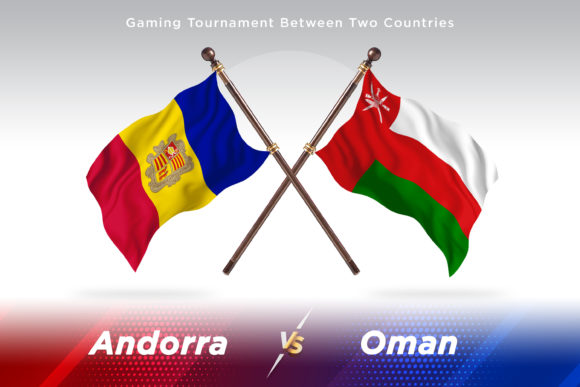
You have likely seen them flash across a quiz app or pop up on a travel blog. At first glance, the national flags of Andorra and Oman share enough visual DNA to cause a double-take. Both use bold red, white, and yellow or gold. Both carry a central emblem that sets them apart from simple tricolors. But a closer look reveals two entirely different stories. One flag speaks of mountain principalities and medieval charters. The other whispers tales of maritime empires and ancient craftsmanship. Understanding the difference between the two is more than a party trick—it is a small lesson in geography, history, and visual literacy.
The Visual DNA of Two Distinct Nations
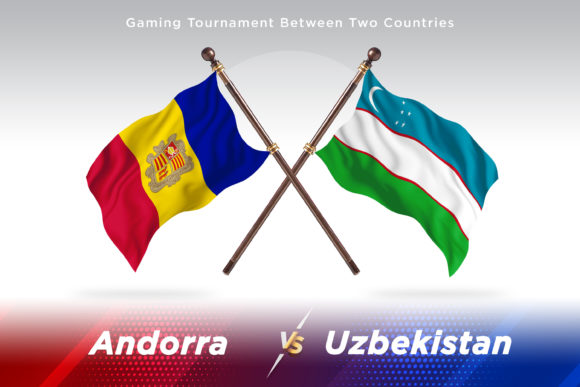
Let us break down what you actually see. The flag of Andorra is a vertical tricolor of blue, yellow, and red. In the center sits a detailed coat of arms divided into four quarters. Those quarters represent the Bishop of Urgell, the Count of Foix, Catalonia, and the Viscount of Béarn. It is a very European design—layered, historical, and deeply tied to feudal agreements. The motto Virtus Unita Fortior appears at the bottom, reminding everyone that unity makes strength.
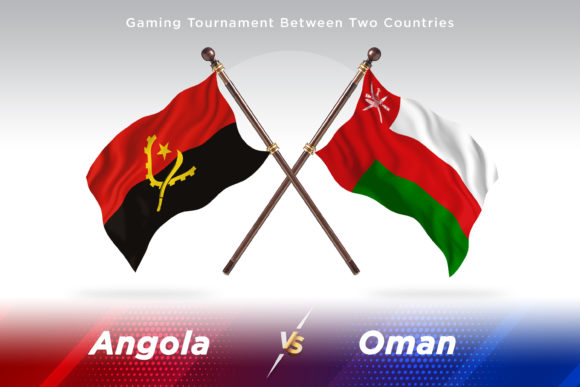
Oman takes a different approach. Its flag uses horizontal bands of white, red, and green, with a vertical red stripe on the left side. Inside that vertical stripe, you find the national emblem: a Khanjar, which is a curved ceremonial dagger, crossed with two swords. The design is clean, bold, and instantly recognizable across the Arabian Peninsula. The white stands for peace and prosperity. The red is for the battles fought against foreign invaders. The green represents the fertility of the Jebel Akhdar mountain range.
The key difference lies in layout and symbolism. Andorra stacks its meaning vertically, tying itself to France and Spain. Oman grounds its story in horizontal bands, anchoring everything to the Khanjar, a symbol of traditional craftsmanship and national pride. If you remember vertical equals Europe, horizontal equals the Arabian Peninsula, you will never confuse them again.
Why Bother Looking Closely?
Some might wonder why anyone outside of a trivia night would care. The reality is that flags are shorthand for entire cultures. If you work in any field that touches international audiences, getting these details right signals professionalism and respect.
- For creators and designers: You might need to place a flag on a website, a presentation slide, or a product package. Using the wrong emblem or reversing the colors is a common mistake that damages credibility. Knowing that Andorra uses a complex coat of arms while Oman uses a dagger and swords helps you source the correct vector files from the start.
- For educators and students: Teaching world geography or symbolism becomes richer when you can explain why a flag looks the way it does. The Andorran flag is a perfect case study of a constitutional co-principality. The Omani flag demonstrates how Pan-Arab colors can be adapted with a unique local emblem.
- For travelers and expats: Whether you are hiking in the Pyrenees or sailing the Gulf of Oman, recognizing the national flag of your host country is a basic gesture of awareness and courtesy. It also helps avoid awkward moments when you are at an airport or a formal event.
The value is not just academic. It is practical. It helps you navigate a visually cluttered world with more confidence.
Practical Ways to Apply This Knowledge
Let us move from theory to real-world scenarios. How do you actually use the comparison between Andorra and Oman flags in your daily work or hobbies?
Building Accurate Digital Content
Imagine you are a blogger writing about hidden travel destinations. You want to feature both countries in a single post. When you insert the flag icons, you need to check the aspect ratio. Andorra uses a standard 2:3 proportion. Oman uses 1:2, which is slightly longer. If you crop them to the same box without adjusting, the Omani flag will look stretched or squished. Small details like this separate polished content from amateur work.
Creating Educational Infographics
If you are a teacher or a freelance instructional designer, you can use these two flags as a case study in how geography shapes design. Andorra is landlocked between France and Spain, so its flag borrows the blue and red from France and the yellow and red from Spain. Oman is a coastal nation with a strong maritime history, and its flag emphasizes trade swords and a dagger. You can build a whole lesson around that single comparison.
Marketing and Branding Decisions
Small business owners who source products from different regions sometimes use flags to signify origin. If you are launching a campaign that features international partners, using the correct flag builds trust. A mistake with the emblem might confuse customers or even offend local stakeholders. Knowing the difference shows that you have done your homework.
Getting the Details Right
Before you download a set of flag images or start using them in a project, there are a few things to keep in mind. These considerations apply whether you are a hobbyist or a professional.
- Color accuracy matters. Andorra’s blue is a specific medium blue, not navy. Oman’s red is a deep crimson, closer to a rich wine shade. If you are working in print, check the Pantone codes. Digital hex values are widely available and should be matched carefully.
- Respect the symbolism. Flags are not decorative elements to be used lightly. Avoid stretching them, adding filters, or placing them in contexts that are disrespectful. Treat the Andorran coat of arms and the Omani Khanjar with the same seriousness you would treat any national monument.
- Source from reliable databases. Use government websites or reputable vector repositories. Unofficial sources sometimes include outdated emblems or incorrect proportions. A quick visit to the official tourism site of each country can confirm the current design standards.
- Consider the audience. If your work will be seen by people from those countries, double-check every detail. A small error can overshadow an entire presentation or article. Your audience will notice if you put the emblem in the wrong stripe.
Two Flags, Two Identities
When you place the flags of Andorra and Oman side by side, you are really comparing two different answers to the same question: What do we stand for? Andorra answers with a shield full of history, balancing powers from north and south. Oman answers with a dagger and swords, rooted in trade, craftsmanship, and independence. Both designs are visually appealing. Both are instantly recognizable to those who know what to look for. And both deserve to be represented accurately in everything from a classroom chart to a marketing banner. So the next time you see a flash of red, yellow, and an emblem, take a moment to look closely. The story behind that flag is worth knowing.