Angola Versus Macau Two Flags: A Comparative Analysis of Design, Symbolism, and Practical Use
Flags are more than national emblems; they encode history, ideology, and identity in visual shorthand. For professionals working across borders—whether in design, marketing, education, or content creation—understanding the nuances of different flags can inform better visual decisions, avoid cultural missteps, and deepen audience engagement. The flags of Angola and Macau offer a compelling case study. While both carry legacies of colonial influence and revolutionary transformation, they express these narratives through strikingly different visual languages. This comparison unpacks their origins, symbolism, and practical relevance for anyone who works with cultural assets, brand identities, or visual storytelling.
Origins and Historical Context
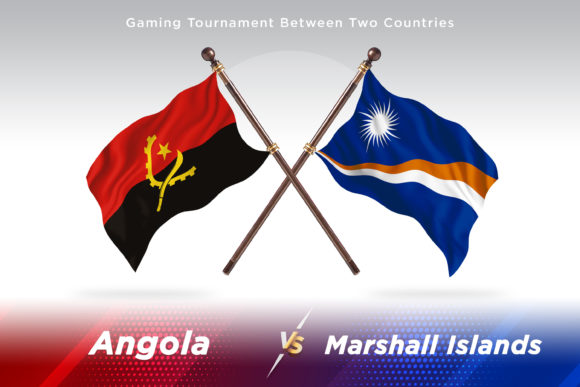
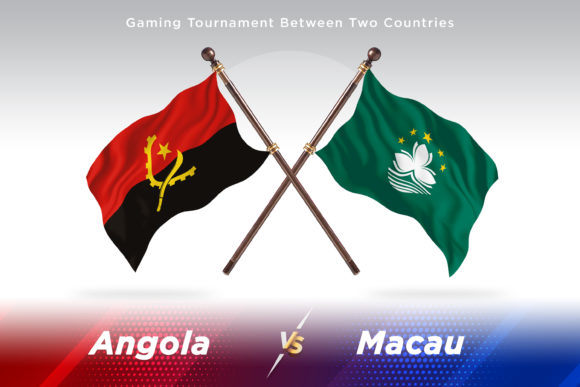
Angola’s current flag was adopted at independence from Portugal in 1975, during the height of the Cold War and following a protracted liberation struggle. The ruling party at the time, the People’s Movement for the Liberation of Angola (MPLA), drew inspiration from socialist iconography. The flag’s red and black bands reflect that ideological foundation—red for the blood spilt by Angolans during the war for independence and for the socialist revolution; black for the African continent. The central emblem features a crossed cogwheel (representing industrial workers) and a machete (symbolizing peasants and the armed struggle), with a five-pointed star above them. The star stands for international solidarity and progress.
Macau’s flag is far more recent, adopted in 1999 when the territory transferred from Portuguese administration to the People’s Republic of China. Known as the “Regional Flag of the Macau Special Administrative Region,” it features a foraging green background—a color that historically evokes Chinese dynastic themes and also symbolizes peace and prosperity. The flag’s central emblem is a stylized white lotus flower superimposed over a bridge arching across water, with five five-pointed stars above it. The lotus is a signature symbol of Macau, representing its nickname “Lotus City.” The bridge and water reference the territory’s geography as a peninsula and islands. The stars mirror those on the Chinese national flag, indicating Macau’s integration into China while retaining distinct regional identity.
Comparing these two flags reveals how similar colonial histories (both Portuguese) produced divergent visual outcomes based on the political and cultural contexts of their adoption. Angola chose a stark, revolutionary palette; Macau selected a softer, botanical motif that emphasizes harmony and continuity.
Symbolism and Design Elements
Designers and marketers comparing the two flags will note immediate differences in color theory and composition. Angola uses high-contrast primary colors—red and black—with a small amount of yellow for the emblem. This creates a bold, aggressive visual that communicates strength and urgency. Macau’s green field is calmer and less saturated; the white lotus and five stars provide a restrained, elegant contrast. The red of the Chinese flag is notably absent, making Macau’s flag visually distinct while still containing the stars as a political link.
For creative professionals assessing these flags for potential use in presentations, infographics, or UI elements, the contrast in visual weight is critical. Angola’s flag demands attention and is best used sparingly to avoid overwhelming a composition. Macau’s flag integrates more easily into designs due to its lighter palette and organic central motif. The lotus shape, being symmetrical and floral, can be cropped or stylized without losing readability—a practical advantage for logo design or branding exercises.
Another subtlety: both flags contain elements that represent workers or labor. Angola’s cogwheel and machete are industrial and agricultural tools, explicitly aligning the state with working-class struggle. Macau’s bridge and water suggest infrastructure, transportation, and tourism—economic pillars of the territory. This difference in economic symbolism can be insightful for business professionals analyzing how each region positions itself globally.
Practical Applications for Creatives and Professionals
Understanding the flags of Angola and Macau is not merely academic. For professionals involved in international campaigns, cross-cultural publishing, or global brand management, flag symbolism affects everything from color palette decisions to content tone.
Using Flag Symbolism in Branding and Visual Identity
If you’re designing a marketing campaign that references Angolan or Macanese culture—or if your organization has offices in either region—the flag’s color scheme can inform a respectful and effective brand extension. Angola’s red and black might be too aggressive for a soft-sell service, but could work well for a sports brand, energy company, or activist organization. Macau’s green and white pairs naturally with eco-tourism, hospitality, or educational initiatives. Before incorporating any flag colors, consult local cultural experts to ensure you’re not appropriating state symbolism in a way that could be perceived as disrespectful or commercialized.
Educational and Cultural Awareness
For educators and content creators, comparing these two flags offers a rich case study in post-colonial identity formation. You might sequence this comparison as an entry point into a broader lesson on African and Asian modernization, or use it to illustrate how different nations manage the tension between global influence and local heritage. The visual differences—revolutionary vs. harmonic—map neatly onto the political trajectories of Angola (a resource-rich country still reconciling with its history) and Macau (a special administrative region balancing dual legal systems and tourism economies).
Workflow Integration: How to Reference Flag Comparisons in Projects
Integrating flag comparison research into your regular workflow can be straightforward. For example, if you are a freelance writer preparing a piece on “symbols of resilience,” you might store side-by-side images of the Angola and Macau flags in your reference folder alongside notes on their symbolic differences. When you later need to write about how symbols evolve under different political conditions, you already have a documented example ready.
Designers can benefit from creating a simple spreadsheet that maps each flag’s colors, elements, and primary associations. Populate it with hex codes for digital use (e.g., Angola’s red: #CC092F; Macau’s green: #006A4E) and notes on where the flag is typically used (government buildings, sports events, cultural festivals). This kind of asset library speeds up moodboarding and ensures you don’t inadvertently use a flag in a context where its symbolism contradicts your message.
Marketers launching a campaign targeting the Angolan diaspora or Macau’s tourism sector can incorporate flag-based visual cues into landing pages or social media creatives. For instance, using the machete-and-cogwheel motif (Angola) as a subtle background pattern for a trade-focused landing page, or using the lotus shape (Macau) as a divider in a travel blog. The key is to avoid overuse—a flag’s power lies in its restraint. Use one element at a time, and pair it with neutral backgrounds to let the symbol breathe.
Implementation Tips for Designers and Marketers
- Color extraction: Don't just copy the flag colors directly. Instead, derive a palette that evokes the flag’s emotion. For Angola, use deep red and charcoal with a muted yellow accent. For Macau, use sage green, off-white, and a warm gold accent.
- Contextual alignment: Before placing a flag image near your brand or message, ask: does this association add clarity or noise? If your product is a luxury watch, avoid using Angola’s flag—the working-class imagery may clash with your positioning. For a travel app focusing on Lusophone countries, Macau’s flag works naturally.
- Quality and resolution: Always use official SVG or high-resolution PNG files for flags. Low-res images with color bleeding undermine professionalism. The Flag of Angola and Regional Flag of Macau are available from standard repositories like Wikipedia Commons in multiple formats.
- Compliance: Be aware that some flags have usage restrictions, especially for commercial purposes. The Macau regional flag is protected under Chinese law; while casual editorial use is generally acceptable, consult legal guidelines if you plan to reproduce it on merchandise.
Long-term Value and Quality Considerations
Keeping a comparative reference of Angola and Macau flags—and similar symbolic assets—adds long-term value to your creative toolkit. As your work expands into international markets, these small bodies of knowledge prevent costly rebrandings or public relations missteps. For example, if you later design a campaign for a Portuguese-language audience (Angola and Macau both speak Portuguese), knowing the flag differences helps you avoid conflating two very different markets. Angolans and Macanese have distinct contemporary political identities, and using the wrong flag would signal carelessness.
Quality in flag usage also involves consistency. If you use Macau’s flag in one section of a presentation and Angola’s in another, maintain the same proportion and style for both. Flag etiquette—never tilting, never overlapping with other flags obscuring—should be observed even in digital mockups. This attention to detail builds trust with audiences who are intimately familiar with these symbols.
Over time, building a small library of compared symbolisms can become part of your standard project preparation. When you start a campaign or content piece with a global angle, spending twenty minutes reviewing flag meanings and color associations will improve the nuance of your output. For businesses with multicultural teams, sharing these references internally can foster better collaboration and reduce the chance of unintentional offense.
Ultimately, the Angola and Macau flags are not just icons; they are operational tools for anyone serious about culturally competent work. Whether you’re planning a blog post, designing a website, or preparing a corporate presentation, a comparative frame helps you move beyond surface-level use into informed, respectful visual storytelling. By treating flags as documents of societal values rather than mere decorations, you produce work that resonates with genuine understanding—and that always reads more authentically with audiences.